
Pytorch Lightning
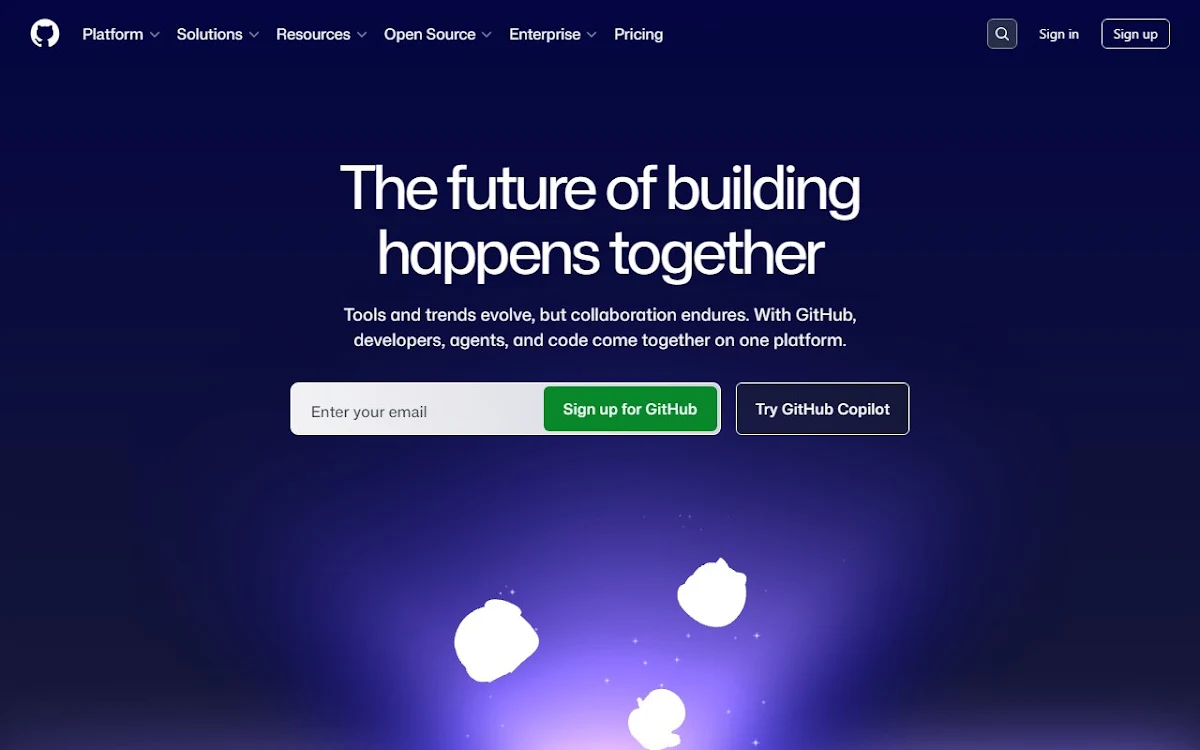
PyTorch Lightning permite a investigadores y startups ejecutar modelos de IA en cientos de GPU utilizando las mejores prácticas más recientes. Está diseñado para la rápida creación de prototipos, implementación y reproducibilidad de ideas. Lightning forma parte del ecosistema oficial de PyTorch.
Title: A Comprehensive Overview of Pytorch Lightning: A Powerful AI Tool for Streamlining Machine Learning Workflows
Pytorch Lightning (PyTorch-Lightning) is an open-source PyTorch library that simplifies the development of high-performance AI models. It provides a consistent and flexible framework for building, training, and deploying deep learning models, addressing the complexities inherent in machine learning (ML) workflows.
Problem: Developing and training deep learning models can be time-consuming and error-prone due to the intricate nature of ML workflows. Traditional methods often require extensive manual coding, leading to a lack of reproducibility and scalability.
Solution: PyTorch Lightning addresses these challenges by offering a streamlined approach to building, training, and deploying deep learning models. It abstracts away the complexities, making it easier for developers to focus on designing and optimizing their models.
Key Features:
1.
Easy Model Building
: PyTorch Lightning provides a consistent and intuitive API for building and managing complex deep learning models.
2.
Automatic Metric Computation
: The library automatically calculates and logs various metrics during training, making it easier to monitor and optimize model performance.
3.
Built-in Checkpoints and Early Stopping
: PyTorch Lightning supports automatic saving of model checkpoints and early stopping based on performance metrics, reducing the need for manual intervention.
4.
Scalability
: It can easily be scaled up to distributed environments, allowing for efficient training of large models on powerful hardware.
5.
Integration with PyTorch
: Being a PyTorch-based library, it seamlessly integrates with the vast ecosystem of PyTorch tools and libraries.
Real-World Uses: PyTorch Lightning has been used in various industries, including healthcare, finance, and technology, for tasks such as image classification, natural language processing, and recommendation systems.
Target Audience: PyTorch Lightning is ideal for data scientists, ML engineers, and researchers who want to streamline their ML workflows, improve model performance, and reduce development time.
Advantages:
- Simplifies the development of deep learning models
- Improves model performance through built-in optimization techniques
- Enhances reproducibility and scalability
- Integrates seamlessly with other PyTorch tools and libraries
Disadvantages:
- Steep learning curve for those new to PyTorch or deep learning
- May not be as efficient as other libraries for certain tasks, such as rapid prototyping
Comparisons: Compared to other deep learning libraries like TensorFlow and Keras, PyTorch Lightning offers a more flexible and intuitive API for building and training complex models. However, TensorFlow and Keras have a larger community and more extensive documentation, which may make them more suitable for beginners.
Pricing Model:
PyTorch Lightning is open-source and free to use. It does not offer a free trial, but its source code is available on GitHub for anyone to download and use. The library is primarily maintained by the community, with support from companies like Facebook (the creators of PyTorch).
In conclusion, PyTorch Lightning is an invaluable tool for data scientists, ML engineers, and researchers who want to streamline their deep learning workflows, improve model performance, and reduce development time. Its open-source nature, seamless integration with PyTorch, and flexible API make it an attractive choice for many in the ML community.
También puede interesarte.

Cree aplicaciones de voz de vanguardia con las tecnologías de Neon AI. El SDK de Neon AI integra IA avanzada y comprensión del lenguaje natural en una plataforma de ingeniería de software cohesiva. Piense en Amazon Alexa, Google Home, Apple Siri y Microsoft Cortana, todo con software gratuito de código abierto. También tienen un sistema operativo de IA para Mycroft Mark II en su sitio web.