

DTC PPC
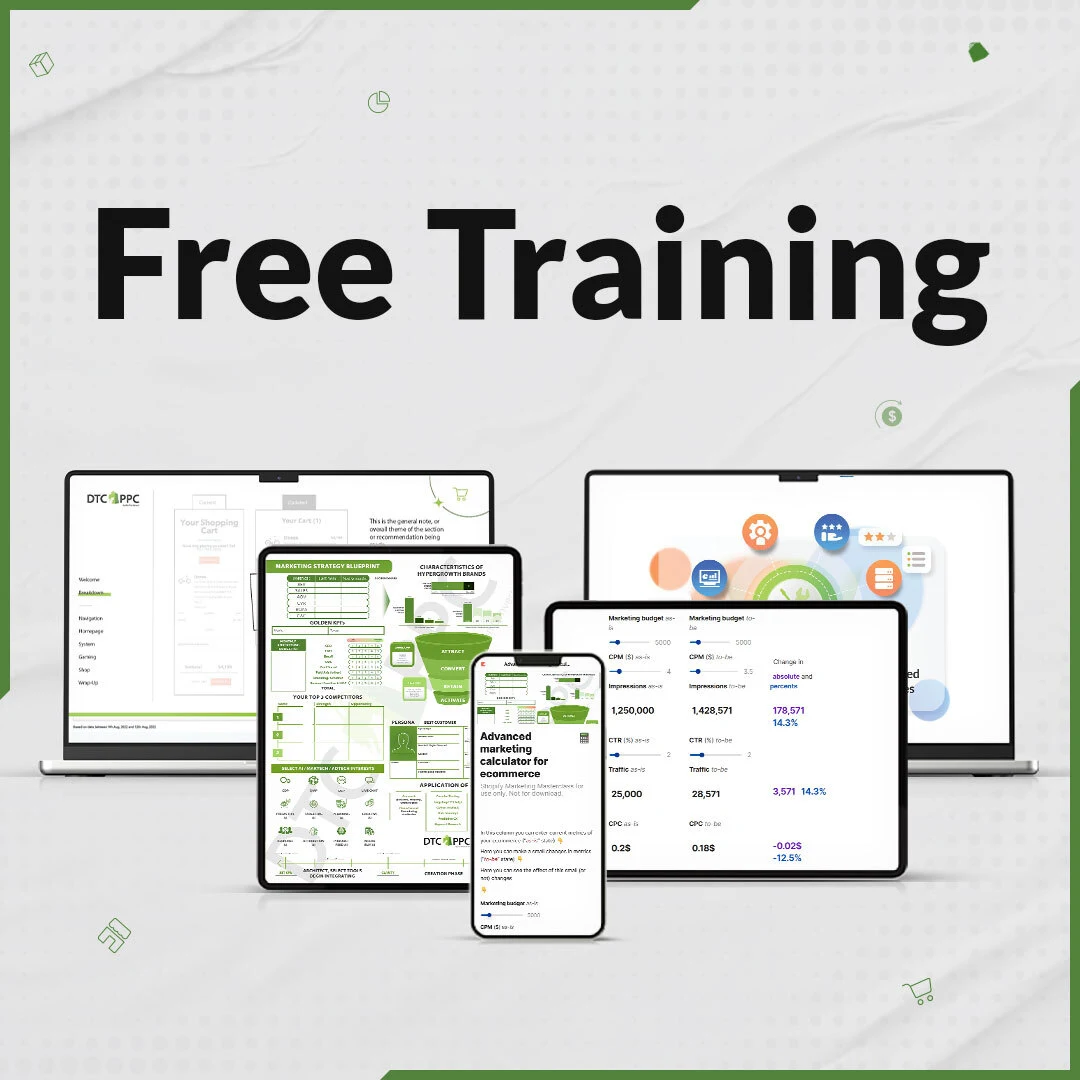
¡FORMACIÓN GRATUITA! Revela cómo los propietarios y operadores de comercio electrónico pueden reducir su CAC en más del 30 % en 72 horas. Obtén el Plan de Marketing de IA DTC antes de que el creador se dé cuenta y le ponga precio.
Title: DTC PPC: A Comprehensive Guide to the AI-Powered Digital Marketing Tool
DTC PPC (Direct-to-Consumer Pay-Per-Click) is an artificial intelligence (AI) driven software solution designed to streamline and optimize digital marketing campaigns for businesses seeking to boost their online presence and drive sales. This powerful tool is specifically engineered to cater to direct-to-consumer (DTC) brands, e-commerce stores, and marketing agencies that rely on paid search advertising to expand their customer base and generate revenue.
Problem Resolved: DTC PPC addresses the challenges faced by marketers in managing complex, data-driven PPC campaigns across various platforms. By automating time-consuming tasks, such as keyword research, bid management, and ad copy optimization, DTC PPC enables businesses to achieve better campaign performance, increased ROI, and more efficient use of their marketing budget.
Key Features: 1. AI-Powered Keyword Research: DTC PPC leverages AI to analyze search trends, competitor strategies, and historical performance data to identify high-converting keywords for your campaigns. 2. Ad Copy Optimization: The tool uses AI to continuously test and optimize ad copy for maximum engagement, ensuring your ads are always delivering the best possible results. 3. Bid Management: DTC PPC dynamically adjusts bids based on real-time auction insights, ensuring that your ads are shown to the most relevant audience at the optimal time. 4. Performance Reporting: The tool provides comprehensive reporting and analytics, allowing you to monitor campaign performance, identify trends, and make data-driven decisions.
Real-life Use Cases: 1. E-commerce Brands: DTC PPC helps e-commerce brands optimize their PPC campaigns to drive traffic to their websites, increase conversions, and boost sales. 2. Marketing Agencies: Agencies can use DTC PPC to manage multiple client accounts, streamlining their workflow and delivering better results for their clients. 3. Startups: Startups can leverage DTC PPC to quickly launch and optimize their PPC campaigns, gaining a competitive edge in their market.
Target Audience: DTC PPC is ideal for businesses that rely on PPC advertising to grow their online presence, including DTC brands, e-commerce stores, and marketing agencies.
Advantages: 1. Time-saving: DTC PPC automates repetitive tasks, freeing up valuable time for marketers to focus on strategic decision-making. 2. Increased Efficiency: By optimizing bids and ad copy in real-time, DTC PPC ensures that your campaigns are always performing at their best. 3. Improved ROI: The tool's AI-driven optimization helps businesses maximize their return on ad spend.
Disadvantages: 1. Learning Curve: As with any new tool, there may be a learning curve for users unfamiliar with AI-driven marketing solutions. 2. Dependence on AI: While DTC PPC's AI is sophisticated, it's important to remember that it's not infallible and human oversight may still be necessary.
Comparison: Compared to manual PPC management or other AI-driven tools, DTC PPC offers a more comprehensive solution, handling everything from keyword research to ad copy optimization and bid management. However, other tools may excel in specific areas, so it's essential to evaluate each tool's features and pricing to determine the best fit for your business.
Pricing Model: DTC PPC offers a free trial for new users to test the platform. Paid plans are tailored to the needs of different users:
1. Starter Plan: Suitable for small businesses and individuals with a limited budget, this plan offers basic features for managing and optimizing PPC campaigns. 2. Growth Plan: Designed for mid-sized businesses, this plan offers additional features such as advanced keyword research and reporting. 3. Pro Plan: Ideal for larger businesses and marketing agencies, this plan offers comprehensive features and support for managing multiple accounts. Pricing for these plans is not publicly available, but they are likely to be subscription-based, with prices scaled according to the user's needs.
También puede interesarte.


